Booking a hotel night is simple because a room is always the same room. It has a bed, it has a price, and on Tuesday it is exactly what it was on Monday. Every booking system in the world was built around that idea, and they work very well.
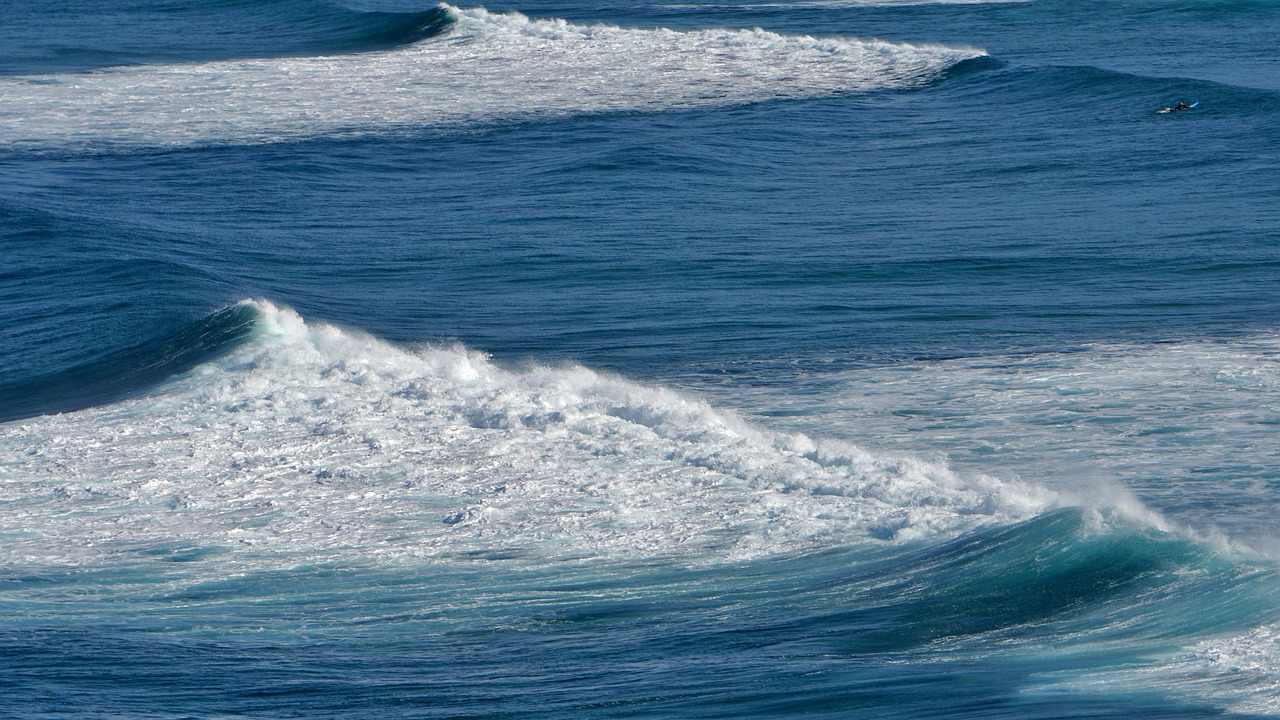
A surf lesson is not that. The same lesson, on the same beach, with the same instructor and at the same price, can be the best morning of someone’s life or an hour inside a washing machine. What decides it isn’t in the booking system: it’s in the sea. The wave height, the period between waves, the tide, and a wind that turns mid-morning and ruins what was good.
No booking platform knows what a tide is. That isn’t their fault. They were built for beds.
What a lesson needs and a room doesn’t
Look at a surf school’s day and you see quickly that the booking is the small part. The rest is what nobody sees: knowing whether tomorrow’s sea is for beginners or only for people already standing up. Having wetsuits and boards in the sizes of the people who are coming. Having enough instructors for the number of students allowed per instructor, which is not the same for children as for adults. Having the waiver signed by every student, and by the guardian when they are a minor. Knowing that the nine o’clock tide fills the beach and the two o’clock one leaves a sandbank where the wave breaks better.
A system that treats that like a room forces the school to do everything on the side: a spreadsheet for the gear, a chat group for the team, a forecast site open in another tab, and a head putting the three together at seven in the morning.
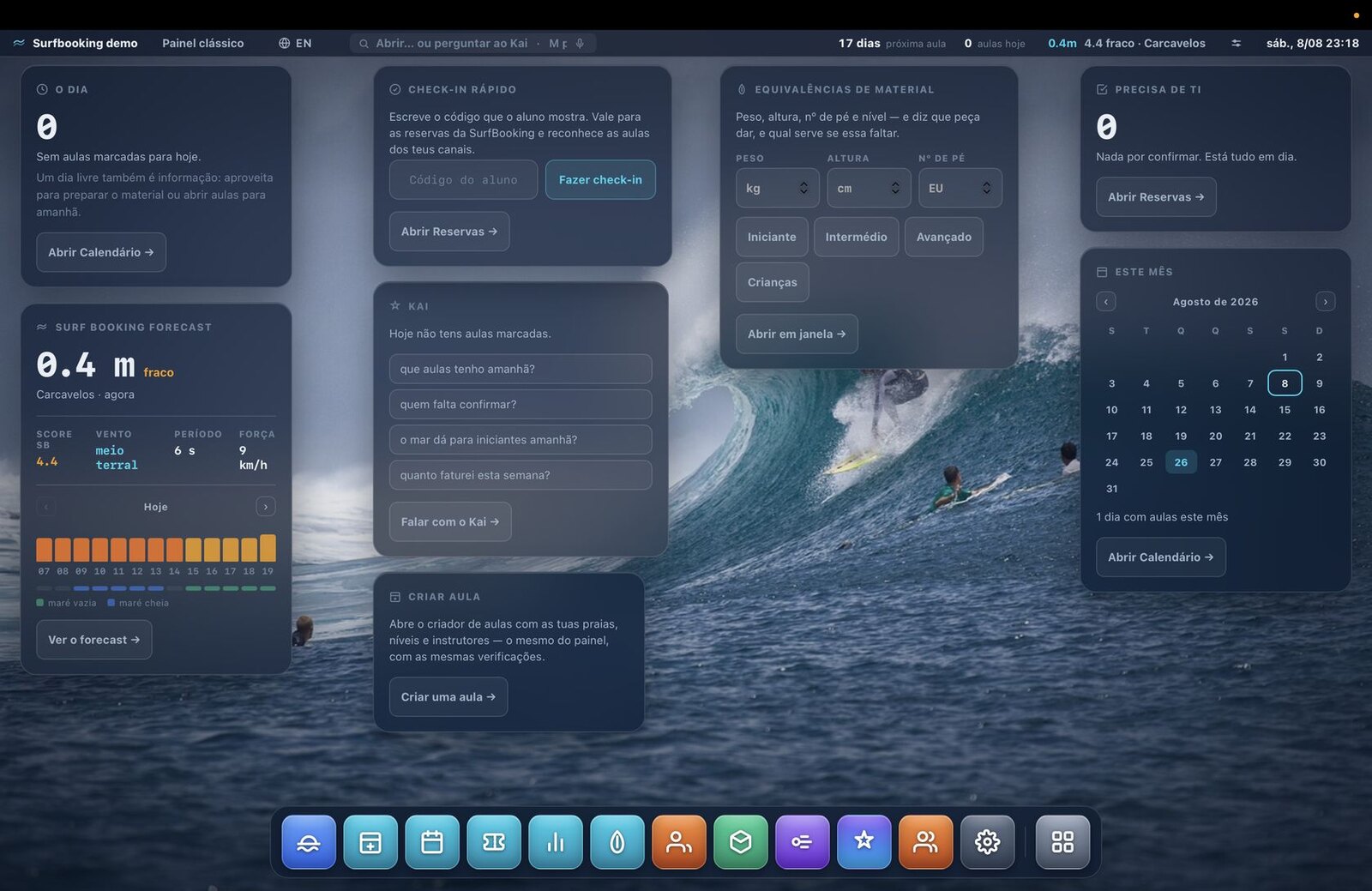
Buying a lesson should be as easy as booking a hotel night, but with the sea information no platform gives you.
End of summer 2026, and what broke
It has been an intense year. We opened right on top of summer, which is the worst possible moment to ask someone to learn a new system, and through high season we changed the product almost every day.
That had a cost, and it wouldn’t be fair to hide it: there were schools that had to relearn things they already knew how to do, and weeks when the dashboard changed under the feet of people who were working. We were rebuilding a moving train.
Not because we enjoyed it. A system a school opens in the morning to work in isn’t a finished product, it’s a living thing. But there is a difference between improving and disturbing, and we weren’t always on the right side of that line. What we can promise is that every mistake changed the product and the way we work with the people who use it.
What we don’t charge for
Two things were planned for 2027. Charging a monthly fee for the software, and taking a percentage of the partners each school brings in. Neither is going to happen.
A system to run a surf school costs hundreds of euros a month, everywhere it exists. Ours is free, whole, and we don’t know anyone else who does the same.
Running the team, the gear and the students is the school’s own work. Charging for that would be charging it to work. And if the restaurant next door sends it customers, that arrangement is between the two of them and doesn’t pass through us.
We charge for one thing: bringing it a student it didn’t have. A booking through the marketplace, we keep a share. A booking through the school’s own channels, we keep nothing. By origin, not by existing.
The hard part, said plainly
A marketplace always starts with the same problem: without students the schools don’t join, and without schools the students don’t come. There is no clever way around it. There is only a slow way, which is to go and find demand that doesn’t yet exist on that beach, one person at a time.
We don’t want to get between a school and the customers who are already its own. We want to bring it the others: the person at home deciding whether to try, the one looking for lessons for their child, the one who would never have found it. That’s a marathon, and we expect to be here running it for many years.
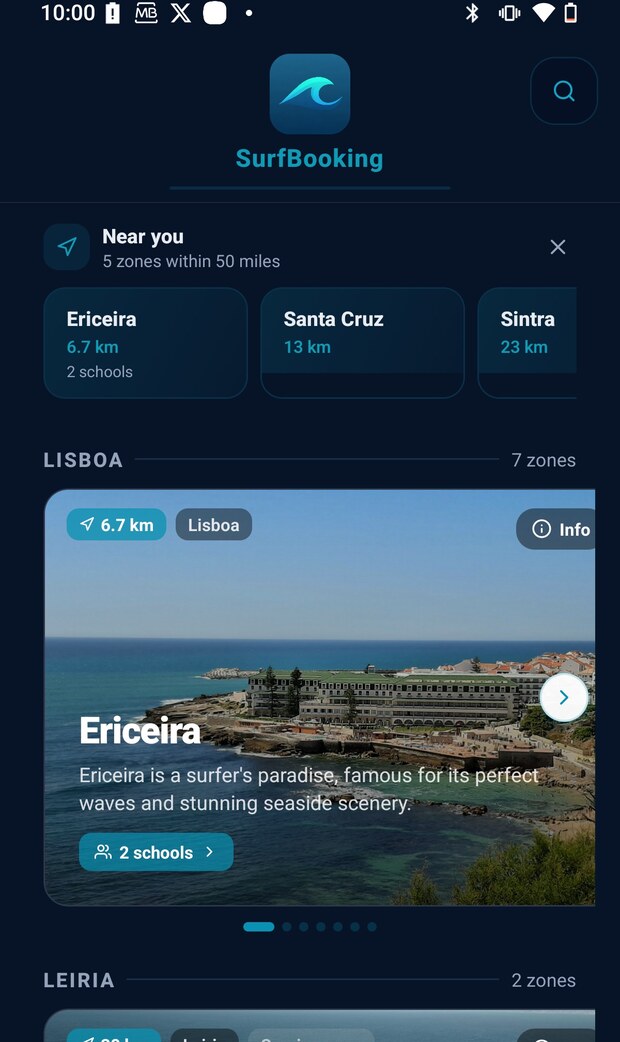
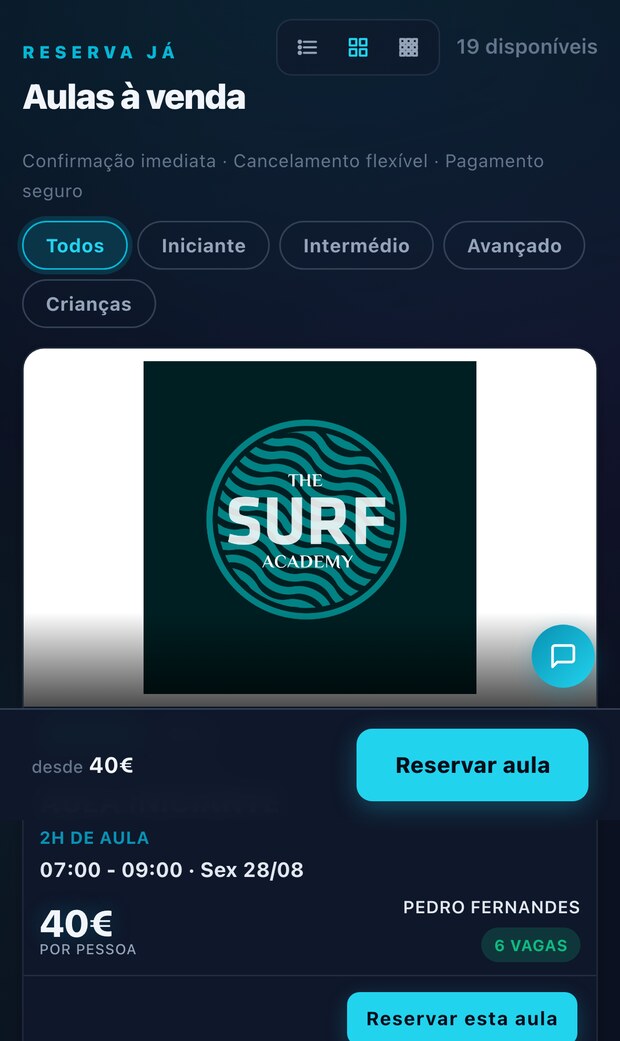
The app in August 2026: pick the beach by the sea it has today, and buy the lesson on sale there.
The calculation is ours
Raw sea numbers are a raw material. They exist, they arrive from several sources, and on their own they say nothing about one specific beach. What decides is the calculation done on top of them — and that one is ours.
We take raw data from more than one source and do the maths in house. That isn’t an engineering detail: it’s the difference between being able to fix something and having to wait. If one of our numbers comes out wrong, we change our calculation and it’s fixed. If the calculation belonged to someone else, we would inherit their truth — mistakes included — and the only thing we could do would be to wait for someone else to fix them.
And the calculation is per beach, built from what is known about that beach: which swells the headland takes away from it and which ones hit it head on, which tide opens it and which tide shuts it, why the same wind is offshore on one point and onshore two hundred metres along. None of that comes in a table. It is learned beach by beach, from the people who are there.